
Publications
Science (2026): Thalamic NRXN1-mediated input to human cortical progenitors drives excitatory neurogenesis
Claudia V Nguyen, Antoni Martija, Daniel C Jaklic, Rista White, Marty G Yang, Patricia R Nano, Jose A Soto, Jessenya Mil, Dakshesh Rana, Jacqueline M Martin, Hunter E Schweiger, Sebastian Hernandez, Elisa Fazzari, Yu Liu, Jack M Parent, Mohammed A Mostajo-Radji, Daniel H Geschwind, Aparna Bhaduri
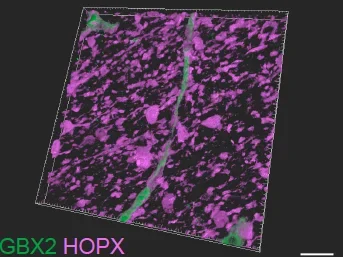
We fused cortical and thalamic organoids to investigate how thalamic input shapes the maturation of human cortical cells. Using single-nuclei RNA-sequencing and cellular imaging, we found that thalamic input increases the production of cortical excitatory neurons. We identify neurexin-1 (NRXN1) as a mediator of physical contact between thalamic axons and cortical outer radial glia. Genetic knockout of thalamic NRXN1 reduced these contacts and attenuated the production of upper-layer excitatory neurons. These findings reveal a mechanism by which thalamic input regulates human cortical progenitors and shapes excitatory neuron production during development.
Cell (2026): Metabolic atlas of early human cortex reveals glycolytic remodeling and pentose phosphate pathway control of cell fate transitions
Jessenya Mil, Jose A Soto, Abigail S Krall, Julia Peloggia, Sara Frigui, Olivia S Fong, Laila Sathe, Nedas Matulionis, Francesca Day, Linsey Stiles, Katrina P Montales, Daria J Azizad, Carlos E Gonzalez, Elisa Fazzari, Matthew X Li, Patricia R Nano, Antoni A Martija, Cesar A Perez-Ramirez, Claudia V Nguyen, Brittney Wick, Weihong Ge, Ryan L Kan, Madeline G Andrews, Maximilian Haeussler, Michael F Wells, Heather R Christofk, Aparna Bhaduri
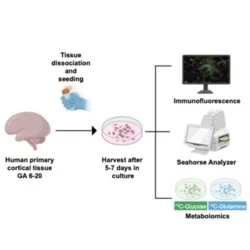
We generated a metabolic atlas of the early human cortex using primary tissue and stem cell-derived cortical organoids. We observed dynamic changes in core metabolic functions, including an unexpected increase in glycolysis and pentose phosphate pathway (PPP) activity during late neurogenesis. Manipulation of glucose availability in cortical organoids altered cell-type composition, increasing outer radial glia (oRG) and inhibitory neuron populations. Pharmacological and genetic inhibition of PPP enzymes recapitulated these cell fate changes. Ribose was sufficient to rescue radial glia (RG) gene expression changes, revert organoid cell-type composition, and restore levels of ATP and hypotaurine. These data identify a critical role for the PPP in modulating RG cell fate specification and generate a resource for future exploration of additional metabolic pathways in human cortical development.
bioRxiv (2026): Intrinsic coordination of dynamic molecular signatures shape the human prefrontal cortex
Patricia R Nano, Daniel C Jaklic, Vanna Giang, Jose A Soto, Jessenya Mil, Sean Wang, Antoni Martija, Brittney Wick, Maximilian Haeussler, Aparna Bhaduri
Through pooled CRISPR activation screens in human primary cortical tissues, we have evaluated the ability of PFC-enriched transcription factors to intrinsically pattern PFC molecular identity. Our screens identify novel roles for the neurogenesis regulator, YBX1, in the activation of human PFC fate. In parallel screens and knock-down experiments in human cortical organoids, we define how YBX1 acts in concert with other PFC determinants to activate molecular signatures of PFC identity. Our findings support a model in which PFC patterning is orchestrated by cohorts of intrinsic determinants that initiate, potentiate, and modulate PFC gene signatures, conferring robustness to the development of the human PFC.
bioRxiv (2026): Glutamatergic neuron-tumor synapses shape human glioblastoma cell states through radial glia plasticity
Antoni Martija, Brianna N Bristow, Dakshesh Rana, Savan Bollu, Elisa Fazzari, Shivani Baisiwala, Claudia V Nguyen, Weihong Ge, Ryan L Kan, Daria J Azizad, Matthew X Li, Patricia R Nano, Heejin Cho, Travis Perryman, David A Nathanson, Kunal S Patel, Aparna Bhaduri
We developed and leveraged a synapse-optimized human organoid tumor transplantation (so-HOTT) model of GBM to decipher how glutamatergic signaling impacts GBM lineage trajectories. so-HOTT preserves patient tumor heterogeneity, features excitatory NTS, and enables clonal lineage tracing of tumor cells after NTS perturbations. Genetic and pharmacological inhibition of AMPA and kainate receptors in so-HOTT shifts tumor cell composition from neuronal fates toward progenitor-proximal astrocytic/mesenchymal states. This occurs through the attenuation of calcium signaling and reduced plasticity of malignant radial glia (RG)-like progenitors, a previously unrecognized target of NTS. Through the integration of inputs from the neuronal microenvironment into glutamatergic signaling, progenitor populations modulate their transcriptional programs and cell fate, ultimately shaping GBM tumor heterogeneity. Targeting synaptic input may thus constrain the heterogeneity that fuels GBM adaptation and therapeutic escape.
bioRxiv (2026): Predictable clonal hierarchies from restricted progenitors provide a framework for cell type-specific therapies in glioblastoma
Elisa Fazzari, Daria J Azizad, Matthew X Li, Weihong Ge, Shivani Baisiwala, Dimitri Cadet, Patricia R Nano, Ryan L Kan, Travis Perryman, Hong A Tum, Christopher Tse, Brittney Wick, Carolina Varona Arguelles, Kunal S Patel, Linda M Liau, Robert M Prins, David A Nathanson, Aparna Bhaduri
We integrated high-complexity combinatorial DNA barcoding with single-cell transcriptomics in direct-from-patient IDH1-wild-type GBM, enabling lineage-resolved mapping of progenitor organization in a human microenvironmental context. Across 235,155 malignant cells from nine tumors, clonal relationships form reproducible lineage tracks in which distinct progenitor populations give rise to specific differentiated cell types, revealing that tumor growth is sustained by multiple non-redundant progenitors rather than a single dominant population. These progenitors exhibit distinct propensities for self-renewal, fate restriction, and cross-compartment interactions, collectively accounting for the full spectrum of tumor states. Using this lineage-resolved framework, we identify complementary drug targets in distinct progenitor compartments and demonstrate that hierarchy-informed combination therapies disrupt progenitor-progenitor interactions and reshape lineage output. These findings move beyond descriptive heterogeneity to define functional logic underlying GBM propagation and establish a generalizable framework for rational, cell type-specific combinatorial therapies.
Cell Reports (2026): A human tumor-immune organoid model of glioblastoma
Shivani Baisiwala, Elisa Fazzari, Matthew X Li, Antoni Martija, Daria J Azizad, Lu Sun, Gilbert Herrera, Trinh Phan, Amber Monteleone, Ryan L Kan, David A Nathanson, Anthony C Wang, Won Kim, Richard G Everson, Kunal S Patel, Linda M Liau, Robert M Prins, Aparna Bhaduri
We developed the immune-human organoid tumor transplantation (iHOTT) model, an autologous co-culture platform that integrates patient-derived tumor cells and matched peripheral blood mononuclear cells within human cortical organoids to enable the study of patient-specific immune responses and tumor-immune interactions. This platform preserves tumor and immune populations, immune signaling, and cell-cell interactions observed in patient tumors. Treatment of iHOTT with pembrolizumab, a checkpoint inhibitor, mirrors cell-type shifts and cell-cell interactions observed in patients. T cell receptor (TCR) sequencing further reveals pembrolizumab-driven expansion of stem-like CD4 T cell clonotypes exhibiting patient-specific repertoires. These findings establish iHOTT as a physiologically relevant platform for exploring autologous tumor-immune interactions and underscore the need for antigen-targeted strategies to enhance immunotherapy in glioblastoma.
Cell Reports (2026): Human organoid tumor transplantation identifies functional glioblastoma-microenvironment communication mediated by PTPRZ1
Weihong Ge, Ryan L Kan, Can Yilgor, Elisa Fazzari, Patricia R Nano, Daria J Azizad, Heer Shinglot, Matthew Li, Joyce Y Ito, Christopher Tse, Hong A Tum, Jessica Scholes, Shivani Baisiwala, Kunal S Patel, David A Nathanson, Aparna Bhaduri
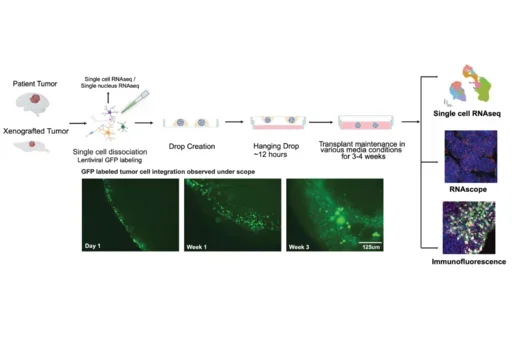
We leverage our human organoid tumor transplantation (HOTT) co-culture system to explore how extrinsic cues modulate glioblastoma cell types and behavior. HOTT recapitulates core features of major patient tumor cell types and key aspects of neural cell-enriched tumor microenvironment (nTME) gene programs. Our exploration of patient TME interactions preserved in HOTT highlights four receptor-ligand interactions of interest. We knock down all four of these genes in the HOTT microenvironment. We observe that knocking down nTME PTPRZ1, a receptor tyrosine phosphatase implicated in cancer cell migration, results in an increased fraction of mesenchymal cells, enrichment of epithelial-to-mesenchymal gene programs, and an elevated tumor microtube length in co-cultured primary patient tumors. This phenotype is not mediated by PTPRZ1’s catalytic activity, suggesting a mechanism of tumor cell fate driven by nTME PTPRZ1, highlighting the strengths of the HOTT system.
Nature Neuroscience (2025): Integrated analysis of molecular atlases unveils modules driving developmental cell subtype specification in the human cortex
Patricia R Nano, Elisa Fazzari, Daria Azizad, Antoni Martija, Claudia V Nguyen, Sean Wang, Vanna Giang, Ryan L Kan, Juyoun Yoo, Brittney Wick, Maximilian Haeussler, Aparna Bhaduri
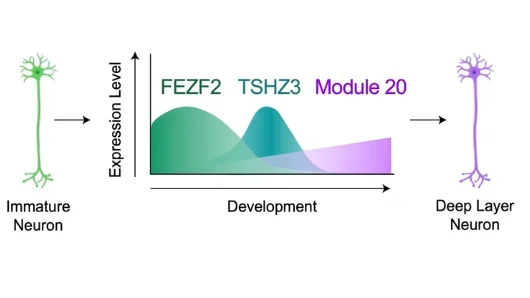
Through parallel meta-analyses of the human cortex in development (seven datasets) and adulthood (16 datasets), we generated over 500 gene co-expression networks that can describe mechanisms of cortical development, centering on peak stages of neurogenesis. These meta-modules show dynamic cell subtype specificities throughout cortical development, with several developmental meta-modules displaying spatiotemporal expression patterns that allude to potential roles in cell fate specification. We validated the expression of these modules in primary human cortical tissues. These include meta-module 20, a module elevated in FEZF2+ deep layer neurons that includes TSHZ3, a transcription factor associated with neurodevelopmental disorders. Human cortical chimeroid experiments validated that both FEZF2 and TSHZ3 are required to drive module 20 activity and deep layer neuron specification but through distinct modalities. These studies demonstrate how meta-atlases can engender further mechanistic analyses of cortical fate specification.
bioRxiv (2024): Glioblastoma Neurovascular Progenitor Orchestrates Tumor Cell Type Diversity
Elisa Fazzari, Daria J Azizad, Kwanha Yu, Weihong Ge, Matthew X Li, Patricia R Nano, Ryan L Kan, Hong A Tum, Christopher Tse, Nicholas A Bayley, Vjola Haka, Dimitri Cadet, Travis Perryman, Jose A Soto, Brittney Wick, David R Raleigh, Elizabeth E Crouch, Kunal S Patel, Linda M Liau, Benjamin Deneen, David A Nathanson, Aparna Bhaduri
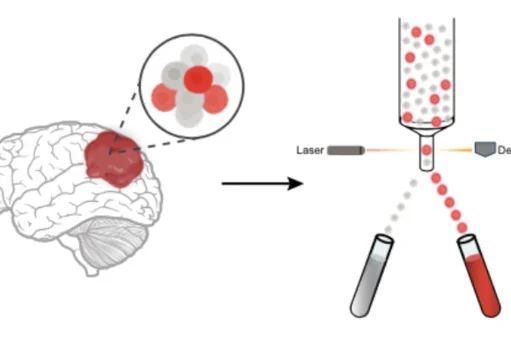
We constructed a gene program-centric meta-atlas of published transcriptomic studies to identify commonalities between diverse GBM tumors and cell types to decipher the mechanisms that drive them. This approach led to the discovery of a tumor-derived stem cell population with mixed vascular and neural stem cell features, termed a neurovascular progenitor (NVP). In-vivo genetic depletion of NVP cells resulted in altered tumor cell composition, fewer cycling cells, and extended survival, underscoring their critical functional role. Clonal analysis of primary patient tumors in a human organoid tumor transplantation system demonstrated that the NVP has dual potency, generating both neuronal and vascular tumor cells. Although NVP cells comprise a small fraction of the tumor, these clonal analyses demonstrated that they strongly contribute to the total number of cycling cells in the tumor and generate a defined subset of the whole tumor. This study represents a paradigm by which cell type-specific interrogation of tumor populations can be used to study functional heterogeneity and therapeutically targetable vulnerabilities of GBM.
bioRxiv (2024): Human-specific paralogs of SRGAP2 induce neotenic features of microglia structural and functional maturation
Carlos Diaz-Salazar, Marine Krzisch, Juyoun Yoo, *Patricia R. Nano*, *Aparna Bhaduri*, Rudolf Jaenisch, Franck Polleux
The authors, using a combination of xenotransplantation of human induced pluripotent stem cell (hiPSC)-derived microglia and mouse genetic models, demonstrate that human-specific SRGAP2B/C paralogs are necessary and sufficient to induce neotenic features of microglia structural and functional maturation in a cell-autonomous manner. Additionally, the induction of SRGAP2-dependent neotenic features of microglia maturation non-cell autonomously impacts synaptic development in cortical pyramidal neurons. The results reveal that, during human brain evolution, human-specific genes SRGAP2B/C coordinated the emergence of neotenic features of synaptic development by acting as genetic modifiers of both neurons and microglia.
Nature News and Views (2024): Chimeric brain organoids capture human genetic diversity
Aparna Bhaduri
Aparna highlights a 2024 publication from Antón-Bolaños et al., describing "Chimeroids": an in-vitro model system that relies on mixing cells from different human donors to create cortical organoids that are genetic chimeras.
bioRxiv (2024): Radiation-Induced Cellular Plasticity: A Strategy for Combatting Glioblastoma
Ling He, *Daria Azizad*, Kruttika Bhat, Angeliki Ioannidis, Carter J. Hoffmann, Evelyn Arambula, *Aparna Bhaduri*, Harley I. Kornblum, Frank Pajonk
The authors used the adenylcyclase activator forskolin to alter the cellular fate of glioma cells in response to radiation. The combined treatment induced the expression of neuronal markers in glioma cells, reduced proliferation and led to a distinct gene expression profile. scRNAseq revealed that the combined treatment forced glioma cells into microglia- and neuron-like phenotypes. In vivo, this treatment led to a loss of glioma stem cells and prolonged median survival in mouse models of glioblastoma. Collectively, the data suggest that revisiting radiation therapy in combination with forskolin could lead to clinical benefit.
Nature Perspectives (2023): Functional genomics and systems biology in human neuroscience
Genevieve Konopka & Aparna Bhaduri
Aparna and Genevieve outline the progress that has been made in the application of systems-level network analyses to neurogenomics datasets.
Acta Neuropathol Commun (2023): Common molecular features of H3K27M DMGs and PFA ependymomas map to hindbrain developmental pathways
Matthew Pun, Drew Pratt, *Patricia R. Nano*, Piyush K. Joshi, Li Jiang, Bernhard Englinger, Arvind Rao, Marcin Cieslik, Arul M. Chinnaiyan, Kenneth Aldape, Stefan Pfister, Mariella G. Filbin, *Aparna Bhaduri* & Sriram Venneti
The authors identified shared molecular features of H3K27-altered diffuse midline gliomas (DMGs) and group-A posterior fossa ependymomas (PFAs) by comparing genomic, bulk transcriptomic, chromatin-based profiles, and single-cell RNA-sequencing (scRNA-seq) data from the two tumor classes. This approach demonstrated that 1q gain, a key biomarker in PFAs, is prognostic in H3.1K27M, but not H3.3K27M gliomas. Conversely, Activin A Receptor Type 1 (ACVR1), which is associated with mutations in H3.1K27M gliomas, is overexpressed in a subset of PFAs with poor outcomes. Despite diffuse H3K27me3 reduction, previous work shows that both tumors maintain genomic H3K27me3 deposition at select sites. The authors demonstrate heterogeneity in shared patterns of residual H3K27me3 for both tumors that largely segregated with inferred anatomic tumor origins and progenitor populations of tumor cells. In contrast, analysis of genes linked to H3K27 acetylation (H3K27ac)-marked enhancers showed higher expression in astrocytic-like tumor cells. Finally, common H3K27me3-marked genes mapped closely to expression patterns in the human developing hindbrain. Overall, this data demonstrates developmentally relevant molecular similarities between PFAs and H3K27M DMGs and supports the overall hypothesis that deregulated mechanisms of hindbrain development are central to the biology of both tumors.
Dev Neurobio (2022): Evaluation of advances in cortical development using model systems
Patricia R. Nano, Aparna Bhaduri
The Bhaduri Lab reviews key stages of cortical development and highlights known or possible differences between model systems and the developing human brain. By identifying the developmental trajectories that may facilitate uniquely human traits, we highlight open questions in need of approaches to examine these processes in a human context and reveal translatable insights into human developmental disorders.
Frontiers (2021): Cortical Cartography: Mapping Arealization Using Single-Cell Omics Technology
Patricia R. Nano, Claudia V. Nguyen, Jessenya Mil, Aparna Bhaduri
The Bhaduri Lab reviews the single-omics atlases that have shaped our current understanding of cortical areas, and their potential to fuel a new era of multi-omic single-cell endeavors to interrogate both the developing and adult human cortex.
Nature (2021): An atlas of cortical arealization identifies dynamic molecular signatures
Aparna Bhaduri, Carmen Sandoval-Espinosa, Marcos Otero-Garcia, Irene Oh, Raymund Yin, Ugomma C. Eze, Tomasz J. Nowakowski & Arnold R. Kriegstein
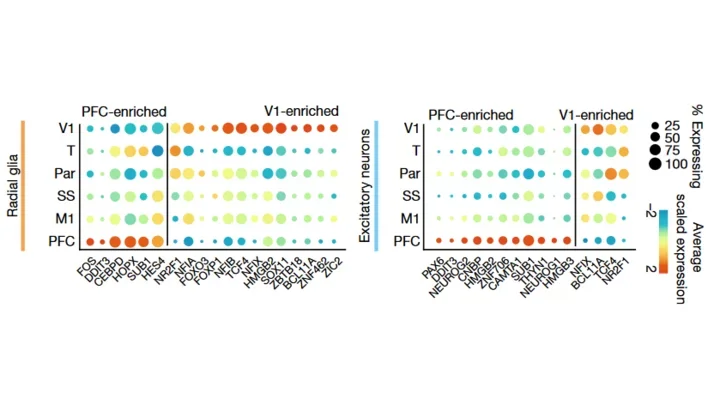
We used single-cell RNA sequencing to profile ten major brain structures and six neocortical areas during peak neurogenesis and early gliogenesis. Within the neocortex, we find that early in the second trimester, a large number of genes are differentially expressed across distinct cortical areas in all cell types, including radial glia, the neural progenitors of the cortex. However, the abundance of areal transcriptomic signatures increases as radial glia differentiate into intermediate progenitor cells and ultimately give rise to excitatory neurons. Using an automated, multiplexed single-molecule fluorescent in situ hybridization approach, we find that laminar gene-expression patterns are highly dynamic across cortical regions. Together, our data suggest that early cortical areal patterning is defined by strong, mutually exclusive frontal and occipital gene-expression signatures, with resulting gradients giving rise to the specification of areas between these two poles throughout successive developmental timepoints.
Nature Neuroscience (2021): Single-cell atlas of early human brain development highlights heterogeneity of human neuroepithelial cells and early radial glia
Ugomma C. Eze*, Aparna Bhaduri*, Maximilian Haeussler, Tomasz J. Nowakowski and Arnold R. Kriegstein
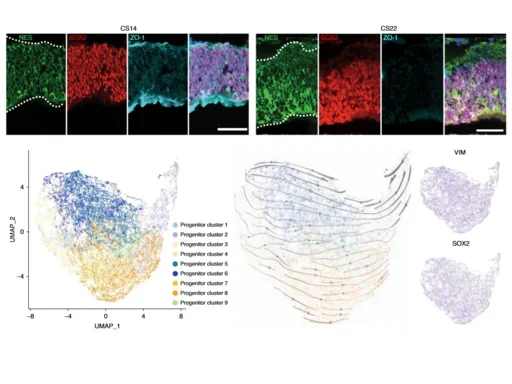
We performed single-cell RNA-sequencing across regions of the developing human brain, including the telencephalon, diencephalon, midbrain, hindbrain and cerebellum. We identified nine progenitor populations physically proximal to the telencephalon, suggesting more heterogeneity than previously described, including a highly prevalent mesenchymal-like population that disappears once neurogenesis begins. Comparison of human and mouse progenitor populations at corresponding stages identifies two progenitor clusters that are enriched in the early stages of human cortical development. We also find that organoid systems display low fidelity to neuroepithelial and early radial glia cell types, but improve as neurogenesis progresses. Overall, we provide a comprehensive molecular and spatial atlas of early stages of human brain and cortical development.
Cell (2020): Origins and Proliferative States of Human Oligodendrocyte Precursor Cells
Huang H*, Bhaduri A*, Velmeshev D, Wang S, Wang L, Rottkamp CA, Alvarez-Buylla A, Rowitch DH, Kriegstein AR.
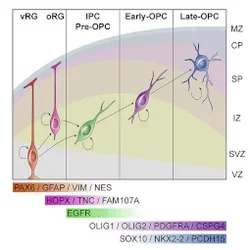
Using single-cell RNA sequencing of immunopanned oligodendrocyte precursor cells (OPC), we identified a novel pre-OPC population that is generated from outer radial glia cells and is marked by EGFR. We show that this population requires EGFR mediated signaling to produce oligodendrocytes. Because this pre-OPC cell type comes from outer radial glia cells which are enriched in humans, these cells may play a role in cortical expansion.
Nature (2020): Cell stress in cortical organoids impairs molecular subtype specification
Bhaduri A*, Andrews MG*, Jung D, Shin D, Allen D, Schmunk G, Pollen AA, Nowakowski TJ, Kriegstein AR.
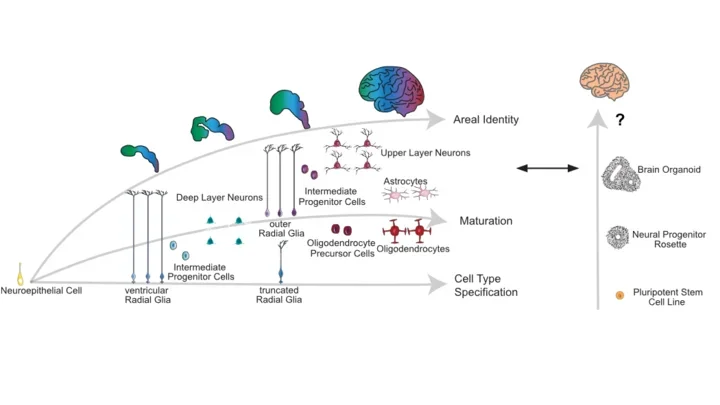
We compared cell types in cortical organoid systems and the primary developing human brain using single-cell RNA sequencing. We identify that major cell types are preserved across both systems, but that cortical organoids suffer from impaired cell subtype specification, incongruent maturation, and areal heterogeneity. We observe that organoids have higher levels of metabolic stress and that activation of this stress in primary cells in culture also impairs subtype specification, while transplantation of organoids into the mouse brain alleviates stress and improves subtypes. These data suggest that organoid cultures can be improved to be more physiologically relevant, but also demonstrates that the limitations of cell type specification can be resolved.
Cell Stem Cell (2020): Outer Radial Glia-like Cancer Stem Cells Contribute to Heterogeneity of Glioblastoma
Bhaduri A*, Di Lullo E*, Jung D, Müller S, Crouch EE, Sandoval Espinosa C, Ozawa T, Alvarado B, Spatazza J, Cadwell CR, Wilkins G, Velmeshev D, Liu SJ, Malatesta M, Andrews MG, Mostajo-Radji MA, Huang EJ, Lim DA, Nowakowski TJ, Diaz A, Raleigh DR, Kriegstein AR.
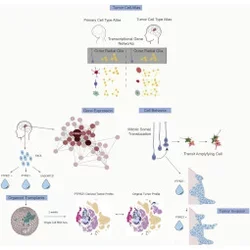
To understand the developmental origins of glioblastoma, we collected single-cell RNA sequencing from 11 primary tumors and compared it to our developmental datasets. We identified the reactivation of the outer radial glia cell, and observed it was undergoing its classic "jump and divide" mitotic somal translocation behavior that may be mediated tumor invasion via PTPRZ1. Using a novel tumor transplantation assay into cortical organoids, we saw these cells were capable of giving rise to neuronal and glial tumor populations.
Cell (2019): Establishing Cerebral Organoids as Models of Human-Specific Evolution
Pollen AA*, Bhaduri A*, Andrews MG, Nowakowski TJ, Meyerson O, Mostajo-Radji MA, Di Lullo E, Alvarado B, Bedolli M, Dougherty M, Fiddes I, Kronenberg Z, Shuga J, Leyrat A, West J, Bershteyn M, Lowe C, Pavlovic B, Salama SR, Haussler D, Eichler EE, Kriegstein AR.
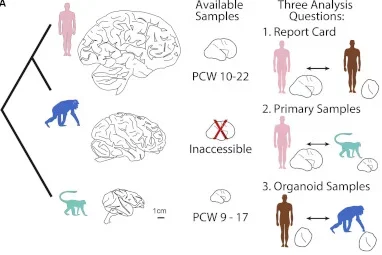
The human cortex is substantially expanded compared to our closest relatives, and these differences emerge at birth. Using primary human and macaque developing cortex, as well as cortical organoids from human and chimpanzee cells, we probed these differences using single-cell RNA sequencing. We identified major cell populations conserved across all systems, and highlight several hundred genes that are differentially expressed between human and non-human primates. These genes highlighted mTOR signaling to be up-regulated in the human cortex, and we find this activation is specific to the outer radial glia cells, suggesting cell type specific pathway activation may contribute to cortical expansion.
Science (2017): Spatiotemporal gene expression trajectories reveal developmental hierarchies of the human cortex
Nowakowski TJ*, Bhaduri A*, Pollen AA*, Alvarado B, Mostajo-Radji MA, Di Lullo E, Haeussler M, Sandoval-Espinosa C, Liu SJ, Velmeshev D, Ounadjela JR, Shuga J, Wang X, Lim DA, West JA, Leyrat AA, Kent WJ, Kriegstein AR.
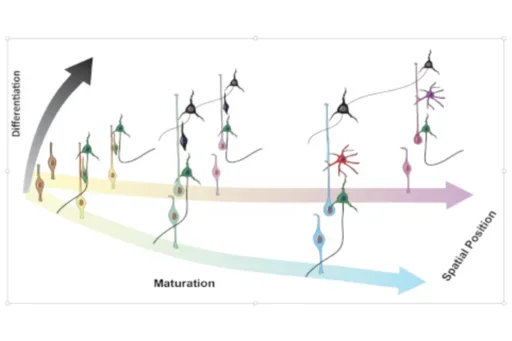
The human cortex is substantially expanded compared to our closest relatives, and these differences emerge at birth. Using primary human and macaque developing cortex, as well as cortical organoids from human and chimpanzee cells, we probed these differences using single-cell RNA sequencing. We identified major cell populations conserved across all systems, and highlight several hundred genes that are differentially expressed between human and non-human primates. These genes highlighted mTOR signaling to be up-regulated in the human cortex, and we find this activation is specific to the outer radial glia cells, suggesting cell type specific pathway activation may contribute to cortical expansion.